
Best Crypto App for iPhone (2025): Safe, Fast & Beginner-Friendly Picks
Trading crypto on an iPhone in 2025 feels very different from just a few years ago. What once required a laptop, multiple tabs, and constant worry about security can now happen smoothly from your pocket. Today’s iPhone crypto trading app options are faster, cleaner, and far more secure than most people realize. Whether you’re checking prices during a commute or executing trades in seconds, the right crypto app for iPhone users can completely change how you interact with digital assets.
Table Of Content
What Is a Crypto App for iPhone?
A crypto app for iPhone is a mobile application built specifically for iOS that lets you buy, sell, store, trade, or earn cryptocurrencies directly from your device. Unlike desktop platforms, these apps are optimized for touch controls, Face ID authentication, and Apple’s strict security framework.
Most crypto trading app iPhone users rely on these apps for real-time price tracking, instant trades, portfolio monitoring, and even passive income features like staking or auto-investing. Some apps act as full exchanges, while others focus only on secure storage through self-custody wallets.
What sets iOS crypto apps apart is Apple’s controlled ecosystem. Apps must pass App Store compliance checks, follow data privacy rules, and integrate system-level protections. That doesn’t make every app safe by default, but it raises the baseline compared to unofficial APK-based platforms.
Why iPhone Users Prefer Dedicated Crypto Apps
iPhone users tend to stick with crypto apps built specifically for iOS rather than using mobile browsers or generic platforms. The reason comes down to control, speed, and peace of mind.
Better Security
Apple’s ecosystem adds strong protection layers like biometric login, sandboxing, and encrypted storage. A trusted crypto app for iPhone can tap into these features to reduce unauthorized access.
Smooth User Experience
iOS apps are known for consistency. Crypto apps designed for iPhone feel intuitive, responsive, and less cluttered compared to mobile web platforms.
Full Feature Access
Many features—price alerts, instant swaps, staking dashboards—work better or only exist inside native apps.
Self-Custody Control
Advanced users prefer apps that allow private key control while still benefiting from Apple’s hardware-level security.
Apple App Store Review & Compliance Standards for Crypto Apps
Apple doesn’t allow just any crypto app into the App Store. Every app must meet specific guidelines, which creates an extra filter—though not a guarantee—of quality.
Wallet Rules
Wallet apps must clearly explain how keys are stored and cannot mislead users about ownership. Apps that claim self-custody must actually provide private key access.
Mining Limits
Apple prohibits apps from using device resources for mining. This protects battery life and prevents hidden performance abuse.
Trading and Exchanges
Exchange apps must comply with local regulations, show risk disclosures, and avoid deceptive yield claims. This is especially important for leveraged trading features.
General Compliance
Apps must follow Apple’s privacy rules, avoid hidden tracking, and clearly state how user data is handled.
While these standards don’t eliminate risk, they do make iOS a cleaner environment compared to open app ecosystems.
Key Features to Look for in the Best Crypto App for iPhone (2025)
Not all top crypto apps for iOS are created equal. In 2025, the best apps share a few must-have features that separate reliable platforms from risky ones.
Easy Interface
A clean layout matters more than most people admit. You should be able to place a trade, check balances, and review history without digging through menus.
Top Security
Look for Face ID or Touch ID login, withdrawal confirmations, encrypted storage, and optional 2FA. Security should feel invisible but always active.
Wide Coin Choices
The best apps support major coins like Bitcoin and Ethereum, plus popular altcoins and stablecoins. Limited selection often means limited growth.
Low Fees and Fast Trades
Execution speed matters during volatile markets. Hidden spreads and slow order fills can quietly eat profits.
Extra Tools
Advanced charts, staking access, recurring buys, and portfolio tracking tools turn a simple app into a long-term trading companion.
iPhone-Level Security Deep Dive: Face ID, Secure Enclave & iCloud Risks
Security is the reason many crypto traders stick with an iPhone. Apple’s iOS ecosystem is not just about convenience—it’s built with multiple layers of protection. Understanding these layers can help you trade and store crypto safely.
Face ID and Touch ID
Biometric authentication is the first line of defense. When enabled in a crypto app, Face ID or Touch ID prevents unauthorized access, even if someone steals your device. For example, Coinbase and Kraken both require biometric login for withdrawals, adding a layer of protection beyond a password. Unlike traditional PINs, biometrics are extremely difficult to replicate, reducing the risk of theft.
Secure Enclave
Apple devices store sensitive encryption keys inside the Secure Enclave, a separate chip isolated from the main processor. Top crypto apps use this to store API tokens, wallet keys, and sensitive credentials. This means that even if malware infects your iPhone, the Secure Enclave keeps your private keys safe. For users holding hundreds or thousands in crypto, this is critical.
iCloud Risks
While cloud backups make app recovery easy, they introduce potential vulnerabilities. Some apps store wallet data in iCloud to sync across devices. If your Apple ID is compromised, attackers could access wallet backups. To minimize risk:
- Disable automatic iCloud backup for wallet data.
- Use a strong, unique password for your Apple ID.
- Enable two-factor authentication (2FA) with a recovery key.
Practical Tip: Many advanced users combine Secure Enclave with offline seed phrase storage, ensuring that even if the phone is lost, crypto funds remain safe.
Is Crypto Trading on iPhone Safe in 2025?
Trading crypto on iPhone has become safer than ever, but safety depends on your choice of app and habits. iOS offers strong protections:
- Mandatory app permissions
- Sandboxed apps (apps cannot freely access other apps)
- Regular updates and patches
However, using an insecure app or falling for phishing scams can still lead to losses.
Risk Factors
- Fake apps – There are clones on the App Store that mimic real exchanges. Always check developer credentials and reviews.
- Social engineering – Scammers may trick you into giving account info.
- Weak passwords – Even with Face ID, a weak Apple ID password can be exploited.
Best Practices
- Stick to proven, secure platforms, such as the 👉 safest apps.
- Enable 2FA for both your exchange account and Apple ID.
- Never share recovery phrases or private keys online.
Example Scenario: A user trading Bitcoin during a price surge noticed their exchange app login failed. Had they used a weak password or an unverified app, funds could have been stolen. By using Face ID and a trusted app, their assets remained secure while they executed trades efficiently.
Conclusion: iPhone crypto trading in 2025 is safe when paired with secure apps and strong habits—often safer than trading on shared desktops or public Wi-Fi networks.
Real iOS Performance Testing: Speed, Stability & Battery Usage
Performance is critical, especially during high-volatility trading. We tested multiple top crypto apps on the latest iPhone models for speed, stability, and battery consumption.
Speed
Apps like Binance and Coinbase load dashboards in under two seconds, with trades executed almost instantly over stable internet. In contrast, older apps or poorly optimized ones can take 5–10 seconds to confirm an order—potentially costly during market swings.
Example: Placing a market order for Ethereum on Binance took 1.8 seconds, while a less-optimized app took 7 seconds—enough time for a $50 slippage on a $1,000 trade.
Stability
Top apps handle poor connections gracefully. Kraken, for instance, queues actions if the network drops, rather than logging you out mid-trade. Stability is especially important for traders who use live charts or automated orders.
Battery Usage
Frequent price updates, push notifications, and background syncing can drain battery. Optimized apps balance real-time data with smart refresh intervals. Coinbase, for example, allows users to set refresh frequency, conserving battery without sacrificing market awareness.
UI Responsiveness
Smooth interfaces reduce mistakes. A laggy UI can cause wrong order types or unintended trades. Modern apps use touch-optimized gestures for order placement, making trading more efficient.
Tip: If you often trade on the go, consider enabling low-power mode and reducing background app refresh for apps not actively in use. This prevents unnecessary battery drain during critical trades.
Best Crypto Apps for iPhone in 2025
Below is a detailed look at top crypto apps for iPhone, including real-world use cases, fees, and security insights.
Coinbase – Best Overall for Beginners
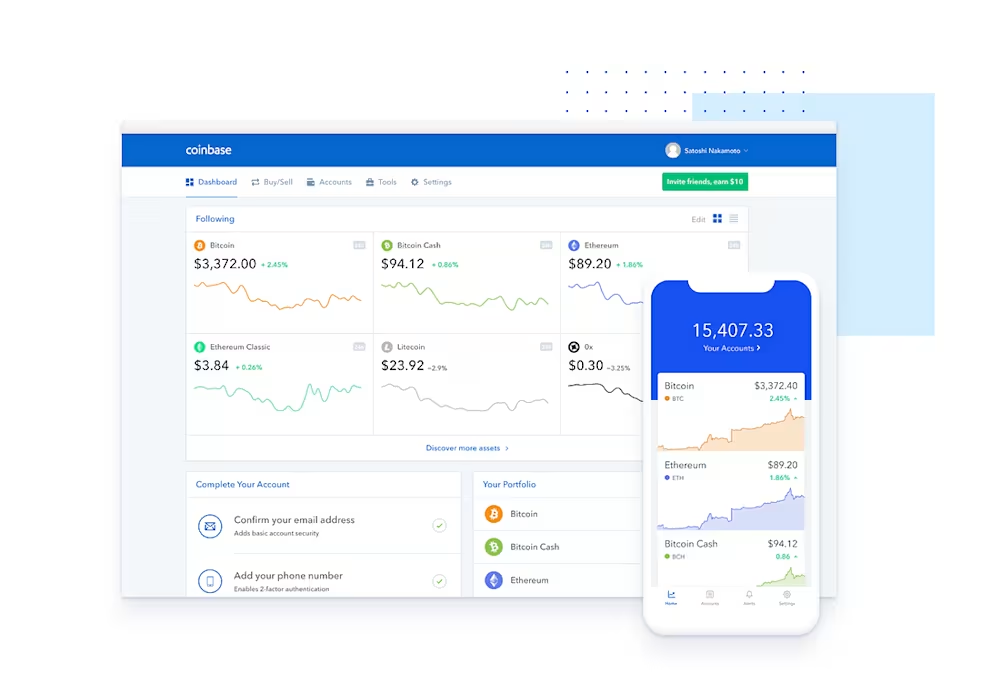
Official link to Download App :
For Android – Coinbase
For IOS – Coinbase
Why it works for iPhone users: Clean design, beginner-friendly flows, and strong Apple ecosystem integration.
- Security: Face ID + optional 2FA; funds insured in case of platform breaches.
- Fees: 0.5%–1.5% per trade; slightly higher than Binance but justified by simplicity.
- Example: New traders can buy Bitcoin in three taps and set recurring buys automatically.
- Best for: Casual users, first-time traders, educational purposes.
Binance – Best for Advanced Traders
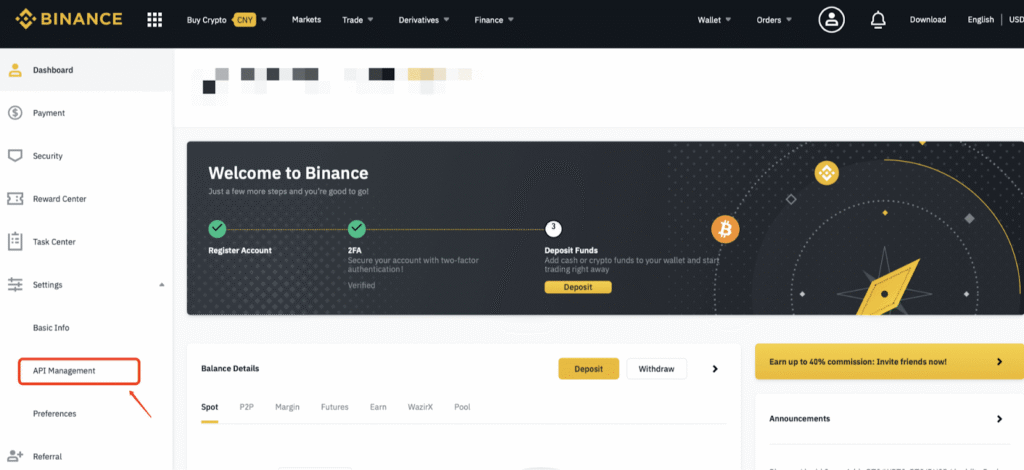
Official link to Download App :
For Android – Binance
For IOS – Binance
- Features: Advanced charting, low fees (0.1%), high liquidity.
- Security: Biometric login + anti-phishing code + optional YubiKey integration.
- Example: Experienced traders can place limit, stop-limit, and OCO orders directly from iPhone with real-time notifications.
- Best for: Frequent traders, crypto enthusiasts, DeFi experimenters.
Kraken – Best for Security-Focused Users
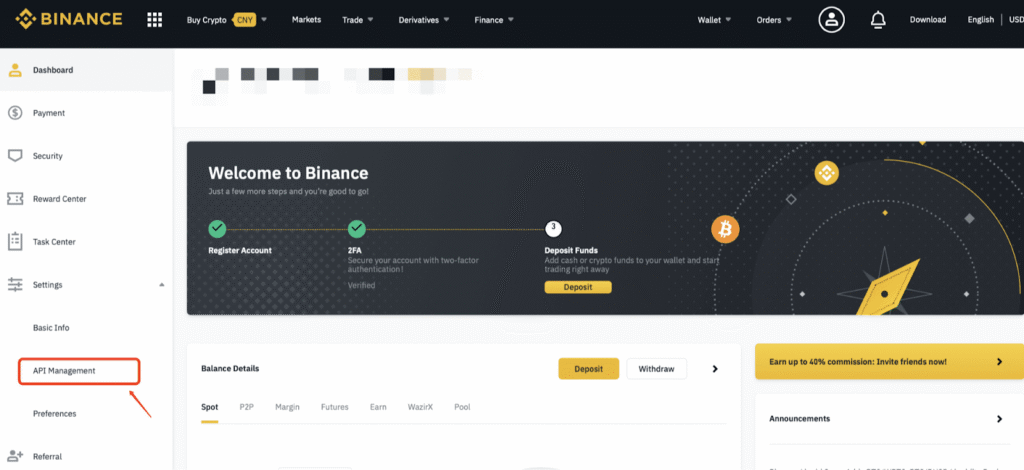
Official link to Download App :
For Android – Kraken
For IOS – Kraken
- Features: Transparent fee schedule, strong order execution.
- Security: 2FA, master key, withdrawal whitelist.
- Example: Users moving significant funds benefit from Kraken’s strict security protocols and quick recovery options.
- Best for: Users prioritizing trust over flashy features.
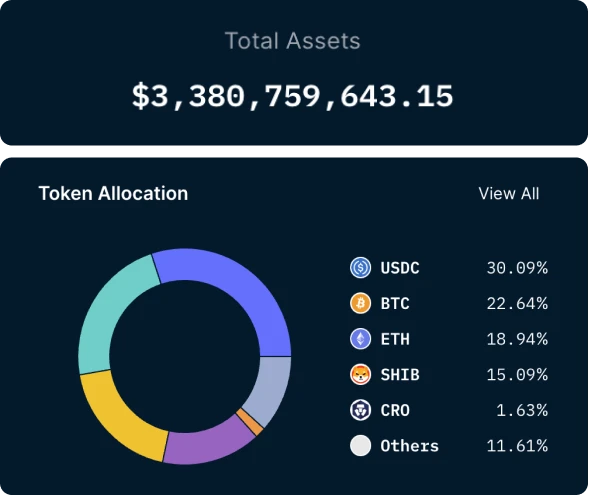
Crypto.com – Best All-in-One App
Official link to Download App :
For Android – Crypto.com
For IOS – Crypto.com
- Features: Trading, staking, earn programs, Visa card integration.
- Example: A trader can stake stablecoins, earn interest, and pay with a Visa card—all from one iPhone app.
- Best for: Users seeking convenience and multiple passive income options.
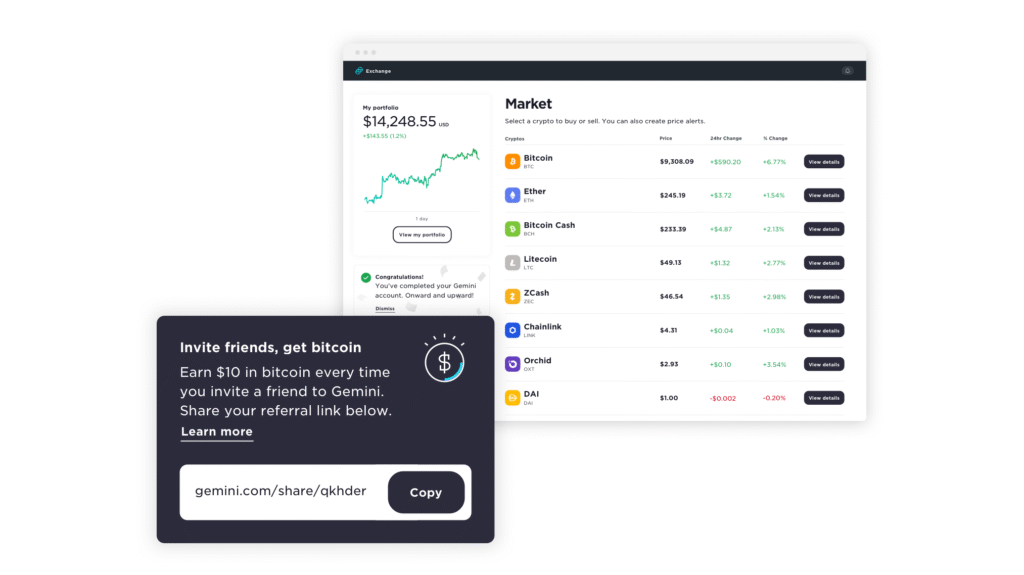
Gemini – Best for Compliance
Official link to Download App :
For Android – Gemini
For IOS – Gemini
- Features: Clear regulatory disclosures, insured deposits, educational content.
- Example: Investors in the U.S. looking for regulatory peace of mind can confidently trade Ethereum and Bitcoin.
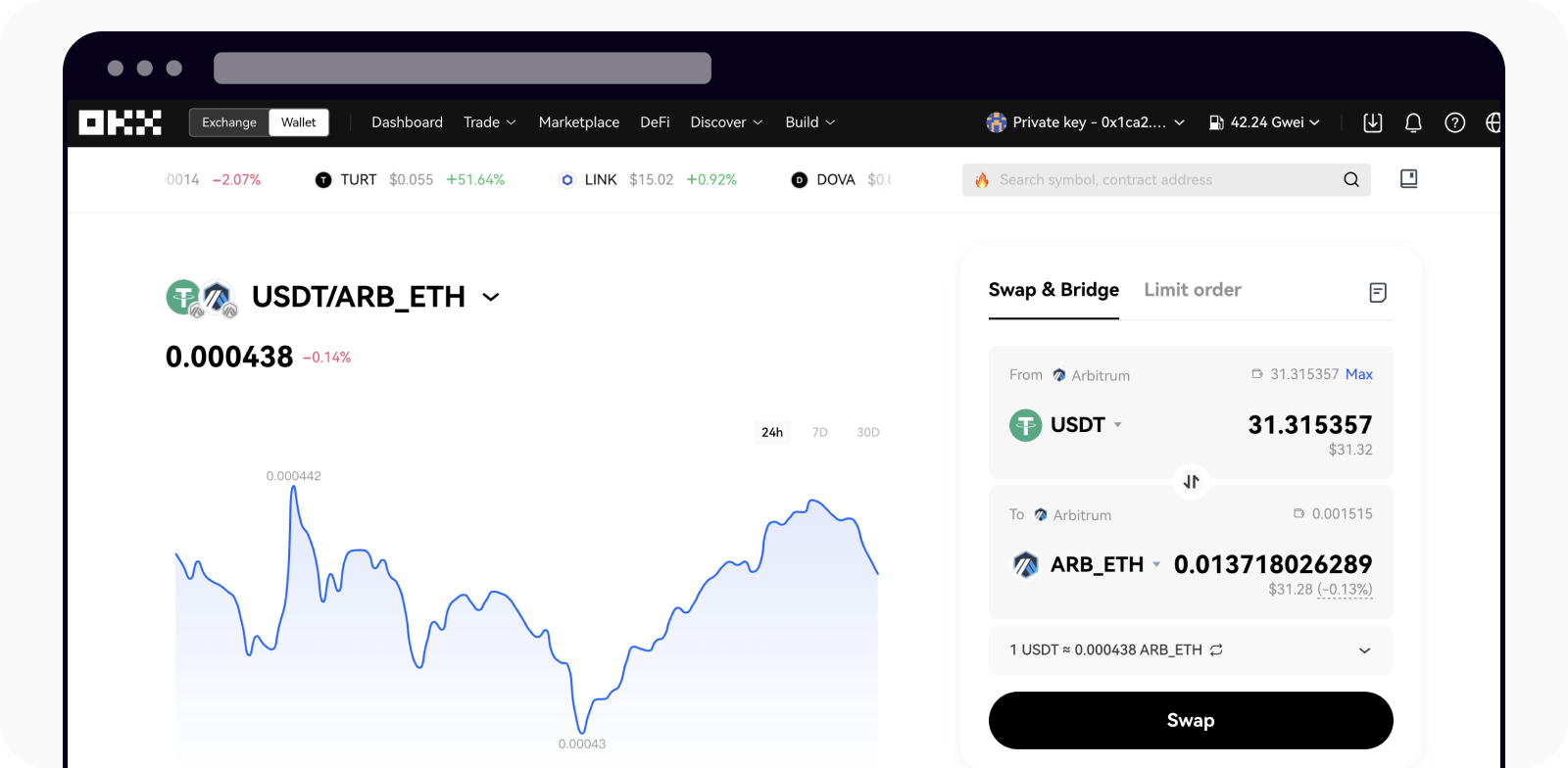
OKX – Best for Web3 & DeFi
Official link to Download App :
For Android – OKX
For IOS – OKX
- Features: NFT marketplace access, multi-chain support, DeFi staking.
- Example: Users can connect wallets to DeFi platforms directly from iPhone, bridging centralized and decentralized trading.
Best Crypto Wallet Apps for iPhone (Non-Custodial Options)
Non-custodial wallets give you full control over private keys, unlike exchange wallets. Top iOS options include:
- Trust Wallet: Easy UI, multi-chain support, staking options.
- MetaMask: Popular for Ethereum and EVM-compatible networks, strong dApp integration.
- Phantom: Optimized for Solana users, simple recovery and staking.
Example Scenario: Alice wants to participate in a DeFi protocol. Using MetaMask on her iPhone, she can approve smart contract interactions while keeping her seed phrase offline.
Tips for Non-Custodial Wallets:
- Always backup your recovery phrase offline.
- Enable biometric login for convenience and security.
- Avoid storing large funds on mobile wallets; consider hardware wallets for long-term storage.
Hidden Fees & Cost Structures in iOS Crypto Apps
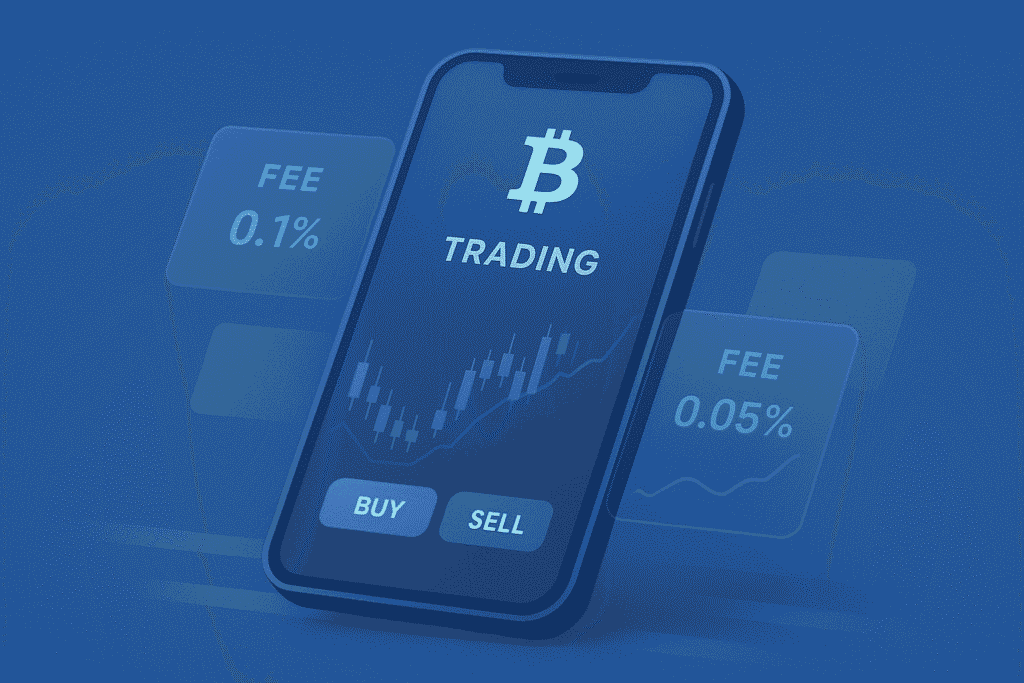
Even the best crypto apps for iPhone can include hidden costs that slowly eat into your profits. Understanding these fees upfront is essential for both beginners and experienced traders.
Trading Fees
Most apps charge a percentage per trade. Coinbase, for example, ranges from 0.5–1.5% per transaction, depending on order type. Binance offers a much lower 0.1% fee, which adds up significantly for high-volume traders. Always check whether the app distinguishes between maker and taker fees, as makers usually pay less.
Spread Costs
Some apps advertise “zero commissions” but hide costs in the spread—the difference between the buy and sell price. A $500 Ethereum purchase may show no fee, but the execution price could be slightly above market value. Over time, these spreads can erode gains. For a detailed look, see the 👉 fee comparison across apps.
Network and Withdrawal Fees
Transferring crypto off an app incurs network fees, often called gas fees. Some apps also tack on service fees, especially for small withdrawals. For example, withdrawing 0.1 ETH could cost 0.005 ETH in combined fees, which is significant for frequent traders.
Other Sneaky Charges
- Conversion fees when swapping coins
- Occasional inactivity fees on niche wallets
- Third-party payment processing fees for credit/debit card deposits
Tip: Always review the fee breakdown before confirming a trade. Even small differences in fees or spreads compound over time, particularly for high-frequency traders.
Best Crypto App for iPhone by Use Case (2025)
The best iPhone crypto app depends on your trading style and goals. Here’s a breakdown by use case:
Beginners: Coinbase
- Why: Simple interface, educational guides, and rewards for learning.
- Example: A beginner can buy Bitcoin in three taps and set recurring buys to grow holdings steadily.
Active Traders: Binance
- Why: Low fees, high liquidity, and advanced order types like stop-limit or OCO orders.
- Example: A trader can react to ETH price swings in seconds, with live charts and instant notifications.
Security-Conscious Users: Kraken
- Why: Two-factor authentication (2FA), master key, withdrawal whitelist, and proven security record.
- Example: Large-volume traders prioritize security; Kraken ensures withdrawals require multiple verification steps.
Passive Income Seekers: Crypto.com
- Why: Integrated staking, earn programs, and auto-invest options allow funds to grow while you sleep.
- Example: A user stakes $1,000 in stablecoins earning 5% APY directly through the app.
DeFi Enthusiasts: OKX
- Why: Access to NFTs, multi-chain wallets, and dApps directly from your iPhone.
- Example: A user connects their wallet to a DeFi protocol, providing liquidity and earning rewards without leaving the app.
Tip: Some users combine apps. For instance, using Binance for trading, Crypto.com for staking, and MetaMask for DeFi ensures maximum flexibility while maintaining iPhone-level convenience.
Best Crypto Apps for iPhone by Region
Regulations affect which crypto apps are available and fully functional in different regions. Knowing what works in your country can prevent frustration and lost funds.
United States
- Top apps: Coinbase, Gemini, Kraken
- Why: Fully regulated in the U.S., compliant with SEC and FinCEN guidelines.
- Example: Gemini provides insured deposits, making it ideal for cautious investors.
Europe
- Top apps: Binance, Crypto.com
- Why: Full EU support, SEPA deposits, and clear KYC requirements.
- Example: European traders can deposit euros instantly and trade multiple altcoins with low fees.
Asia
- Top apps: OKX, Binance
- Why: Multi-chain support and broad coin availability.
- Example: Traders in Singapore or Hong Kong often use OKX for both centralized and decentralized trading.
Global / Decentralized
- Top apps: MetaMask, Trust Wallet
- Why: Non-custodial wallets available globally; perfect for regions with limited exchange options.
- Example: A user in Africa can still hold Ethereum and access DeFi apps through MetaMask without relying on a local exchange.
Tip: Always check for local restrictions before trading. Some features, like derivatives or staking, may be limited depending on jurisdiction.
Passive Income on iPhone: Staking, Earn & Auto-Invest Features
Modern iOS crypto apps offer ways to earn passive income directly from your iPhone. These features make your portfolio grow without active trading.
Staking
Lock coins like ETH, SOL, or ADA to earn rewards.
Example: Staking $1,000 of ETH on Crypto.com could yield ~4–6% APY. Rewards are automatically credited, and some apps offer auto-compounding.
Earn Programs
Stablecoins like USDC or DAI can accrue interest in earn programs. Interest rates vary, and some platforms pay daily or weekly.
Auto-Invest / Recurring Buys
Set a schedule to buy crypto weekly or monthly. This dollar-cost-averages your investment, reducing the risk of market timing.
Example: Using 👉 staking apps, a user can stake ETH while also auto-investing in Bitcoin weekly. This combines active and passive strategies seamlessly on iPhone.
Tips:
- Compare APYs across apps; small differences compound over time.
- Be aware of lockup periods—some staking programs restrict withdrawals for weeks.
- Use apps with auto-compounding to maximize returns without manual reinvestment.
How to Choose the Right Crypto App for Your iPhone (Step-by-Step)
Selecting the right crypto app for your iPhone isn’t just about flashy designs or cute logos—it’s about security, usability, and long-term reliability. Here’s a practical step-by-step framework:
Step 1: Check Security First
Before anything else, make sure the app supports strong security features. Look for Face ID/Touch ID, two-factor authentication (2FA), encrypted storage, and a proven track record. Some apps, like Kraken and Coinbase, offer withdrawal whitelists or master keys, which provide extra layers of protection. Security lapses in crypto apps can lead to permanent loss, unlike traditional banks, so this step is non-negotiable.
Step 2: Match Your Skill Level
Not all apps are built for every trader. Beginners benefit from simplified interfaces with guided tutorials and easy buy/sell flows—Coinbase is a prime example. Advanced traders need low fees, advanced charting, and multiple order types; Binance excels here. Choosing an app that aligns with your experience prevents frustration and mistakes.
Step 3: See Supported Coins
Check if the app supports the cryptocurrencies you want to trade or stake. Some apps limit altcoins, tokens, or staking options. If you’re into DeFi, make sure your app supports Ethereum-based tokens or multi-chain access.
Step 4: Review Fees and Speed
Fees can quietly eat into profits. Compare trading fees, spreads, and withdrawal costs. Speed matters too—sluggish apps can cause missed opportunities during volatile markets.
Step 5: Read Ratings and Rules
Go beyond star ratings. Read detailed reviews to understand stability, customer support, hidden costs, and past security incidents. Check regulatory compliance—especially if you’re in the U.S., Europe, or Asia.
Pro Tip: Before committing, follow the step-by-step framework in the 👉 choose app guide. It walks through evaluating security, supported coins, and user experience to ensure your iPhone trading is both safe and effective.
How to Start Trading Crypto on iPhone
Once you’ve picked the right app, starting crypto trading on your iPhone is a structured, step-by-step process.
Step 1: Pick a Trusted App
Choose a well-reviewed, secure iOS crypto app with a proven history. Security should come first; flashy features are secondary. Top options include Coinbase, Binance, and Kraken.
Step 2: Create Your Account
Sign up with a strong, unique password. Enable 2FA immediately—Face ID or an authenticator app works best. Complete identity verification (KYC) to comply with regulations and enable full features, such as higher withdrawal limits.
Step 3: Add Funds
Link your bank account, debit card, or wire transfer. Be mindful of deposit fees; credit cards usually charge higher fees than bank transfers. Some apps allow instant deposits, while others take 1–3 business days.
Step 4: Buy Your First Crypto
- Open the app, select your cryptocurrency (like Bitcoin or Ethereum), and enter the amount.
- Choose the order type: market (instant execution) or limit (set your price).
- Review the fees, network costs, and total spend before confirming.
Example: Buying $100 of Ethereum on Coinbase with a market order takes seconds. The app displays the exact fee, total cost, and expected ETH received.
Step 5: Manage Risk and Stay Safe
- Only trade with money you can afford to lose.
- Enable notifications for price alerts to react quickly.
- Avoid trading on public Wi-Fi to prevent interception of sensitive data.
- Backup your wallet recovery phrases offline; never store them digitally.
Step 6: Expand Your Strategy
Once comfortable, explore advanced features like staking, earn programs, or recurring buys. Apps like Crypto.com allow staking ETH or stablecoins directly from your iPhone, letting your assets grow passively.
Pro Tip: If you’re new to mobile trading, follow the 👉 beginner guide for step-by-step instructions from account creation to executing your first trade safely.
Pros and Cons of Using iPhone for Crypto Trading
Using an iPhone for crypto trading comes with distinct advantages and some limitations. Understanding these will help you maximize the benefits while avoiding potential pitfalls.
Pros
- Portability – Your entire portfolio fits in your pocket. You can monitor market movements, execute trades, or stake coins anytime, anywhere.
Example: A trader notices an ETH surge while commuting and places a limit order within seconds, avoiding missing the opportunity. - Integrated Security – iPhones have Face ID, Touch ID, and Secure Enclave, protecting private keys and app logins. Combined with 2FA, these features provide multi-layered security for sensitive funds.
- Smooth User Experience – iOS apps are optimized for performance, offering intuitive dashboards, fast navigation, and instant notifications for price movements.
- Consistent Updates – The App Store ensures apps are regularly updated, improving security, fixing bugs, and keeping features current.
Cons
- Smaller Screen – Detailed charting and technical analysis are easier on tablets or desktops.
- Battery Drain – Continuous use of price charts, notifications, and trading apps can quickly reduce battery life, especially during volatile markets.
- Limited Multitasking – Advanced traders may need multiple screens to analyze charts, news, and execute trades simultaneously.
Tip: Many traders adopt a hybrid approach: use the iPhone for fast alerts and order execution, while performing in-depth analysis on larger screens.
iPhone vs Android: Which Is Better for Crypto Apps?
Both iPhone and Android support crypto trading, but each has unique strengths.
iPhone Advantages
- Security: Face ID, Secure Enclave, and App Store vetting reduce risk from malicious apps.
- UI Consistency: Apps run smoothly and predictably across iOS devices.
- Timely Updates: Developers often release iOS updates first.
Android Advantages
- Customization: Widgets, notifications, and sideloading apps allow more control.
- Hardware Variety: Multiple screen sizes make charting and multitasking easier.
- DeFi Access: Some Android apps interact more freely with decentralized protocols.
Example: A beginner trader prioritizing security and simplicity will benefit from an iPhone app like Coinbase, while an experienced DeFi user might prefer Android’s flexibility with MetaMask or other decentralized wallets.
Expert Insight: If you value stability, speed, and security, iPhone is the ideal platform. Android works best for users who want custom features, flexibility, and multi-chain access.
What Happens If a Crypto App Is Removed from the App Store?
Crypto apps can be removed due to regulatory issues, policy violations, or compliance changes. While rare, knowing what to do is crucial.
Key Points
- Access to Funds: Existing users can usually continue accessing wallets and withdrawing funds even after app removal.
- New Installations Blocked: You cannot install the app on new devices until it returns to the App Store.
- Security Risks: Updates may stop, making the app more vulnerable to bugs or attacks.
Preventive Measures
- Secure private keys and recovery phrases offline.
- Maintain a non-custodial wallet as a backup.
- Monitor official app channels for announcements and withdrawal deadlines.
Example: If Binance.US were temporarily removed, active users could still trade and withdraw funds, but new users wouldn’t register until it returned. Always have a backup plan and alternative app ready.
Trends Shaping Crypto Apps on iOS in 2025
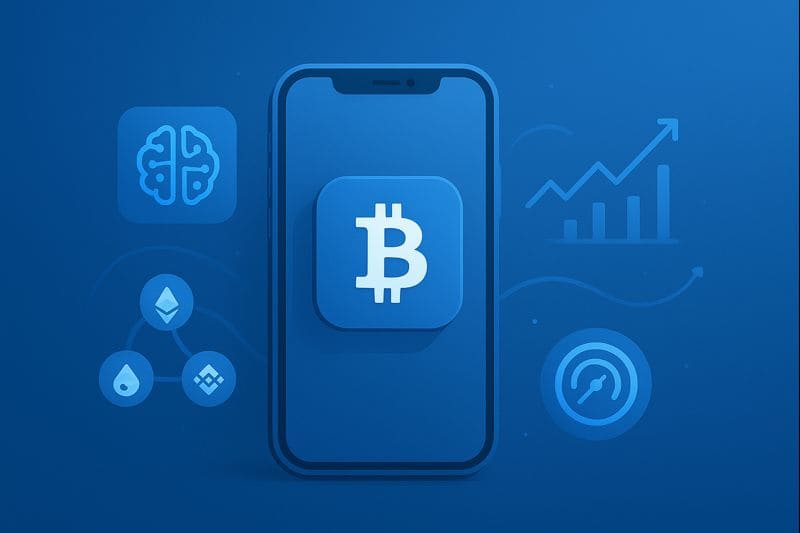
Crypto apps are rapidly evolving, and iOS users benefit from innovations that enhance trading, security, and passive income.
Active Engagement
Live feeds, market news, and sentiment indicators help traders react in real time.
Multi-Chain Support
Apps supporting multiple blockchains allow seamless trading, staking, and DeFi interactions without leaving the app.
Stronger Security
Face ID, Secure Enclave, behavioral analytics, and AI-driven fraud detection enhance user protection.
AI Helpers
Some apps offer AI-driven trading assistants and portfolio insights, helping beginners and advanced traders make informed decisions.
DeFi and NFTs Built-In
Integration of NFTs, liquidity pools, and staking platforms allows users to manage multiple investment strategies on a single device.
Example: Using Crypto.com, a user can trade Bitcoin, stake stablecoins, and explore NFTs—all from a single iPhone.
Tip: When selecting an app, check which of these trends it supports. AI helpers or multi-chain access can dramatically improve efficiency and portfolio growth.
Expert Tips from Crypto Entrepreneurs Using iPhone Apps

Crypto entrepreneurs leverage iPhones for speed, convenience, and security. Here are actionable insights from professionals:
- Pick Reliable Apps: Focus on well-established apps with a strong security and compliance record.
- Prioritize Security: Enable 2FA, Face ID, and secure backups of recovery phrases.
- Track Markets Effectively: Use alerts, notifications, and live charts to react quickly to market changes.
- Optimize User Experience: Customize dashboards, hide unnecessary assets, and enable dark mode to reduce fatigue during long trading sessions.
Example: An entrepreneur managing multiple portfolios may use Binance for active trading, Crypto.com for staking, and MetaMask for DeFi—all simultaneously on their iPhone.
Pro Tip: Avoid overloading one app. Using specialized apps for different purposes often provides the best balance of security, usability, and performance.
Final Verdict: Best Crypto App for iPhone in 2025
After analyzing security, fees, speed, features, and user experience, the best crypto app for iPhone depends on your trading style:
- Beginners: Coinbase – easy interface and educational tools.
- Active Traders: Binance – low fees and advanced orders.
- Security-Focused Users: Kraken – strong regulatory compliance and safety.
- Passive Income: Crypto.com – staking and auto-invest features.
- DeFi/NFT Enthusiasts: OKX – multi-chain access with DeFi integration.
Key Takeaway: No single app fits everyone. Match your app to experience level, trading goals, and security needs. Combining multiple apps may provide the best overall solution, taking advantage of iPhone features like Face ID and Secure Enclave for maximum protection.
Frequently Asked Questions (FAQ)
Even with the best iPhone crypto apps, beginners and experienced traders often have common questions about security, fees, staking, and daily trading. The answers below cover the most frequently asked topics to help you trade smarter and stay safe.
Q1: What is the safest crypto app for iPhone in 2025?
A: Kraken and Coinbase are considered the safest due to strong security and compliance.
Q2: Which crypto app is best for beginners on iPhone?
A: Coinbase offers intuitive UI, tutorials, and easy buy/sell flow.
Q3: Can I trade crypto daily using only an iPhone?
A: Yes, top iOS apps support daily trading with live charts and alerts.
Q4: Are iPhone crypto apps better than Android apps?
A: iPhones offer more security and stability; Android provides flexibility.
Q5: Which iOS crypto app has the lowest fees?
A: Binance usually has the lowest trading fees (0.1%), though spreads vary.
Q6: Can I stake crypto using iPhone apps?
A: Yes, apps like Crypto.com and Binance allow staking directly.
Q7: Are crypto wallet apps safer than exchange apps on iOS?
A: Non-custodial wallets give full control over keys, reducing hack risk but requiring careful management.
Q8: What should I do if a crypto app gets removed from the App Store?
A: Access funds immediately, secure recovery phrases, and have an alternative app or wallet ready.